Part of the fun of introducing children to yoga is teaching classes and leading events. I do both of these on a regular basis and understand that while they are both important, they are both completely different in terms of how to teach kids yoga.
I am the type of person that likes to try to be prepared in all that I do. When I plan for my kids yoga classes that I teach regularly, I already know the ages and number of children ahead of time. This allows me to select age appropriate themes, yoga poses, props, and prepare an engaging lesson plan.
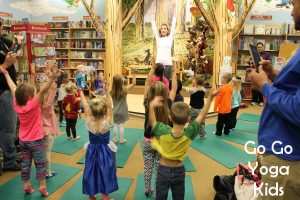
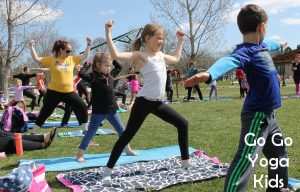
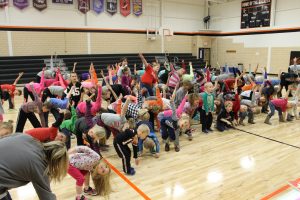
When leading those one time (medium or large sized) kids yoga events such as at bookstores, stores, parks,schools, libraries, and expos, there are different ways to go about planning and preparing. To see where Go Go Yoga for Kids has been recently, check out the links above.
Embrace the Unknown
There is definitely an element of the unknown to consider. How many kids will actually show up at the event? Will there be that large of an age range for children there? How to teach kids yoga? What other distractions and varying surroundings are there to think about such as the weather, other people, and surrounding noises?
All of these unknowns can make planning difficult, but I have come up with a few guidelines that help make these large group kids yoga events go smoothly.
Over Pack and Plan
I know my children and husband would agree that this is one of my biggest talents (or burdens as they usually help lug all of my props and materials). Every class I teach I bring extra mats for kids that don’t have one. I also bring seasonal or theme related props such as beachballs, snowballs, Easter Eggs, etc). See some of my favorite props here. These props are also great for attention-getting in a busy setting. I also have a lesson plan in mind that I want to use with 1-2 additional activities such as related partner poses, marker board, or read aloud books for just in case.
Arrive Early
This is a biggie. No matter how early I arrive at an event, the time always flies before the class starts. Allow yourself time to check in with the organizer and thank them for inviting you, check the sound system/speaker for your music, and set up/organize any materials and resources. I also like to welcome the kids and help get the mats or beach towels appropriately. I like to have my classes begin in a circle and is helpful for you to help lay down the first couple of mats so others will get the idea.
Keep It Moving
My recommenced class time frame for an event is for 30-40 minutes. Since you are unsure of the actual numbers and ages of children that will show up, it is better to have your class time be filled with movement, poses, and games and Stillness and Savasana at the end. Your job is to introduce children to yoga. Of course safety is a priority, but during an event is not the time to be sure that every child’s leg is in a perfect 90-degree angle in Warrior 2.
Be Thankful
At the end, be sure to thank the kids (and adults who brought them) for coming and give them any additional ideas and resources for continuing to practice yoga at home. Many times, this may be a child’s first interaction with yoga so be proud that you helped introduce them to this practice and the life long skills and benefits that accompany yoga.
Check out our fun Kids Yoga in the Park event here.
Yoga Mirror is a wonderful game to practice slowing down, mindfulness and working together. I know that kids learn best by doing as opposed to us telling them about how to do it.
With Yoga Mirror, one child gets to be the leader and their partner needs to follow them exactly. This is empowering and fun for kids!
How to Play Yoga Mirror:
With Yoga Mirror, one child gets to be the leader and their partner needs to follow them exactly.
The leader needs to move very very slowly so their partner can keep up. It is almost as if you are looking into a mirror and seeing the movements happen at the same time.
I like to have the partners begin facing one another.
Model how slow they will move such as raising one hand and then the other, rolling their neck or looking up at the ceiling.
Once they have that mastered they can begin moving slowing into Cat/Cow stretches, Warrior 1 or other poses that allow them to still face one another so they can keep track of what is happening.
By letting kids take a turn being in charge and making decisions on what poses they are going to do, allows a deeper level of understanding. It is the simple act of doing, rather than telling.
Be sure to jump in and play along too. That makes it even extra special. How often do children get to lead and have adults follow? They love it!
Allow children to change who is the leader and follower each time.
Allow each turn to last 45 seconds to a minute. They do not need long!
Spring is here and with that comes the beautiful power of a rainstorm. I love a good rainstorm as it washes away the dirt, and leaves behind beauty, green, and a fresh start.
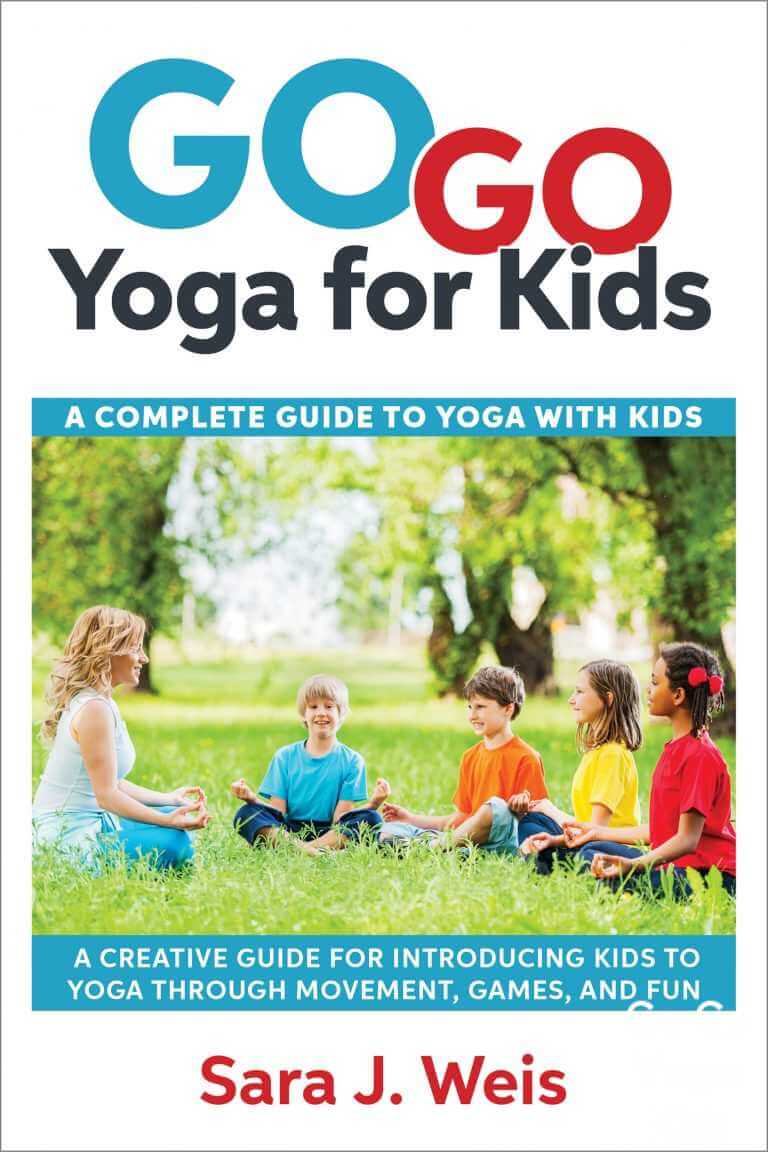
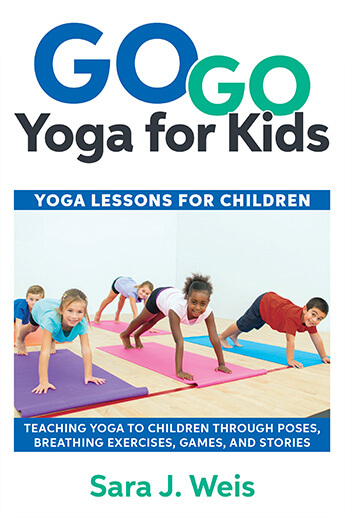
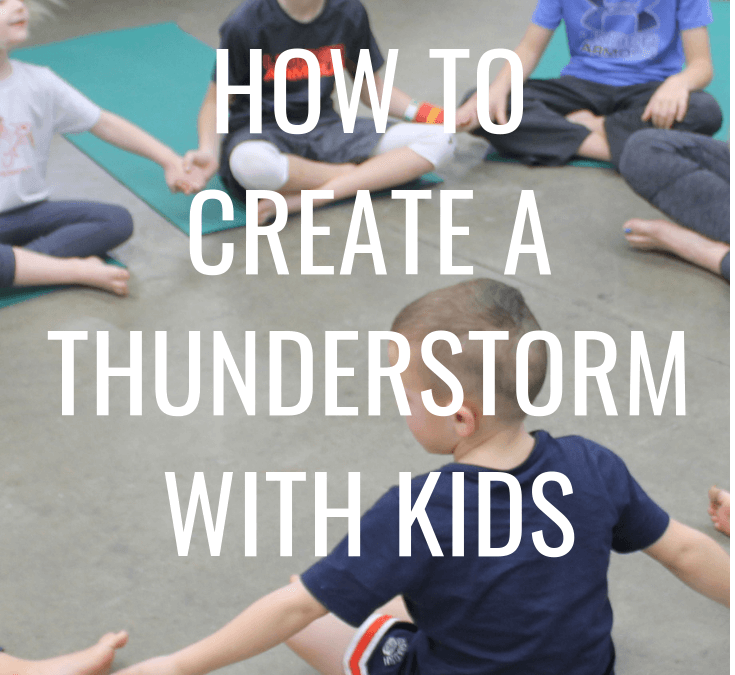
I love to create a thunderstorm with my students in my yoga class toward the end of class. The perfect time to do this is during the Community Building portion of the class which is right before settling into Savasana. If you are unsure of the correct sequence and important parts of a kids yoga lesson plan, then please check out our bestselling book, Go Go Yoga for Kids: A Complete Guide to Yoga with Kids. It breaks down the complete step by step to put together an engaging and memorable kids yoga class.
Creating a thunderstorm with kids completely quiets the class, mesmerizes them and they feel empowered as they are the ones that created it. This activity also utilizes many of your five senses which is wonderful in helping you feel aware and present.
How to Create a Thunderstorm:
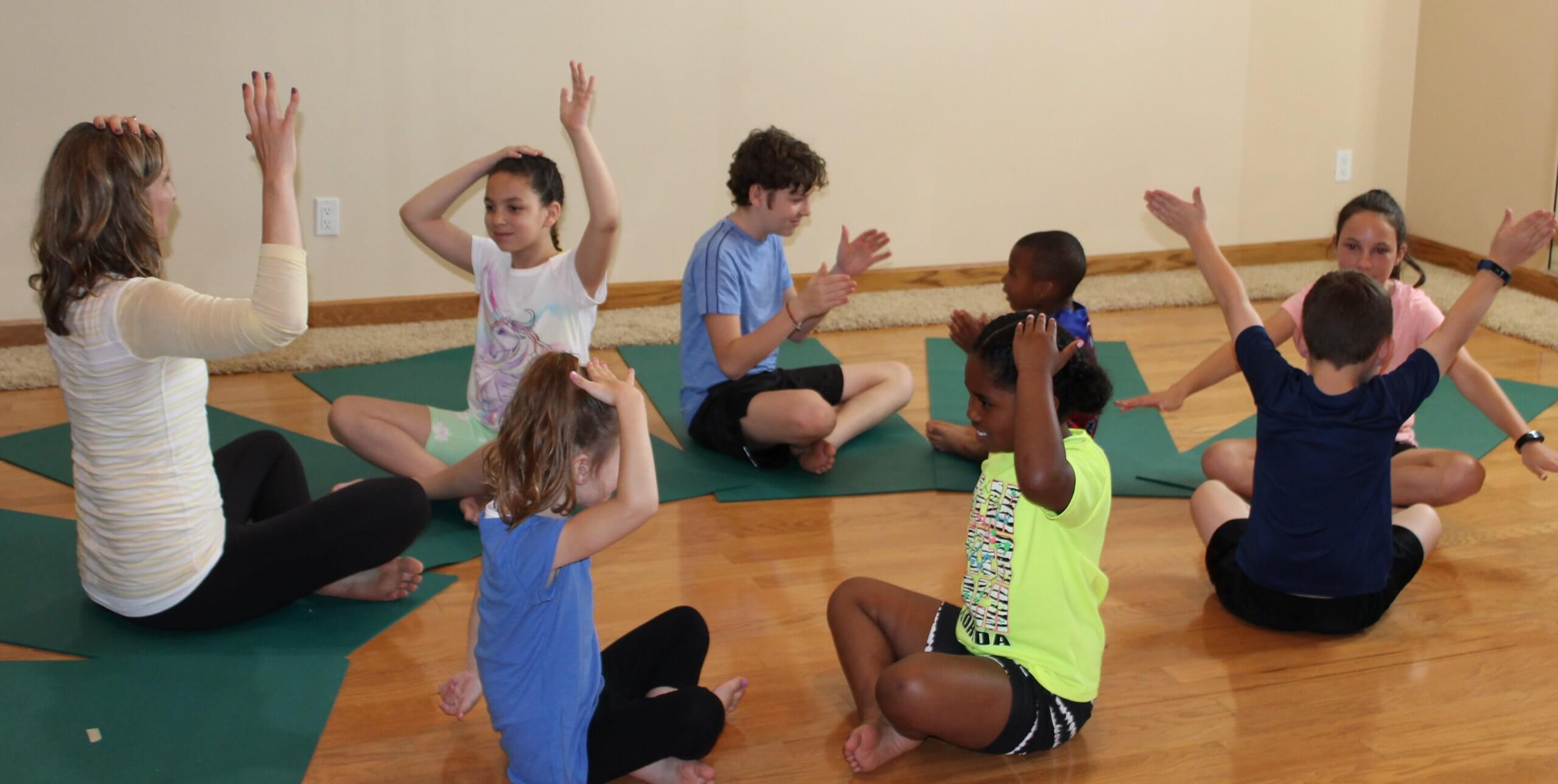
Sit in a close circle with the lights off. Start with step one and the child on your right does what you are doing. Continue around the circle with each student adding to it. After the sound has made it around, continue onto step 2. I like this progression as it shows how the storm ebbs and flows.
Snap your fingers (the sound of light rain falling)
Clap your hands together
Slap your hands on your legs (at this time a student can flick a light switch on and off to represent lightning). They love this part!
Stomp your feet
Slap your hands on your legs and stomp your feet (this represents the strength of the storm lessening)
Stomp your feet
Slap your hands on your legs
Clap your hands together
Snap your fingers
Rub your hands together (the wind)
Open your palms (all is quiet)
This is definitely a fun activity to do with a Kids Yoga Springtime or a Jungle Adventure Theme. Have fun with it. This is something that your kids yoga classes can do over and over again and still be amazed by it.
Learn how to easily incorporate fun and beneficial yoga poses as well as mindfulness exercises for some family fun and together time! This free mini Kids Yoga & Mindfulness Masterclass will include the most beneficial yoga poses for these young growing bodies as well as fun yoga games to practice these poses.
You will also learn the top mindfulness exercises that can help calm children and set them up for success and a growth mindset. This mini master class is perfect for parents, educators and caregivers.
Discover in this Kids Yoga & Mindfulness Masterclass:
How adult yoga is different than kids yoga
What ages can children begin yoga
The benefits for children who practice yoga
How to easily & effectively teach yoga to children
Family fun yoga games that all ages will enjoy
How to easily help children relax and reduce anxiety in minutes
What teens & tweens really need with yoga & mindfulness exercises
How to easily implement mindfulness at home with your family in small moments
Ideas for fun yoga poses and breathing and calming exercises to begin doing right away.
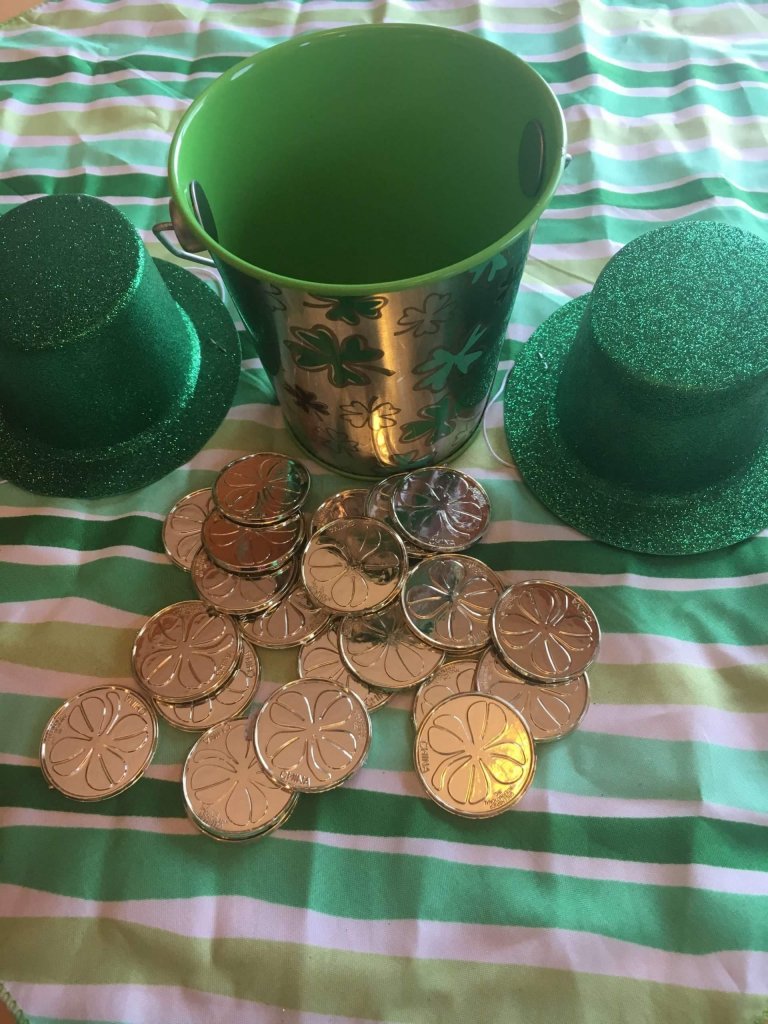
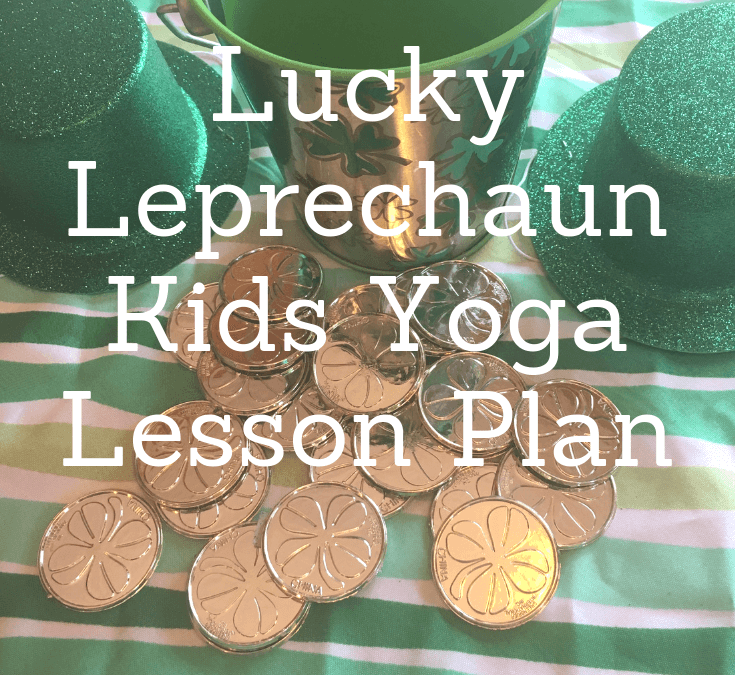
Balance Practice: Use plastic gold coins to work on balancing them on your hand, head, knee, etc. The children will have lots of ideas on where they can balance their gold coins. You can also use these gold coins for balance relays which the kids think are lots of fun.

 of children ahead of time. This allows me to select age appropriate themes, yoga poses, props, and prepare an engaging lesson plan.
 Embrace the Unknown
 n event, the time always flies before the class starts. Allow yourself time to check in with the organizer and thank them for inviting you, check the sound system/speaker for your music, and set up/organize any materials and resources. I also like to welcome the kids and help get the mats or beach towels appropriately. I like to have my classes begin in a circle and is helpful for you to help lay down the first couple of mats so others will get the idea.
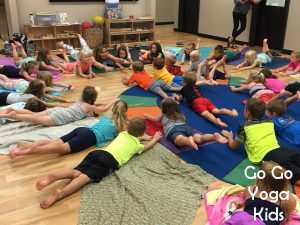 minutes. Since you are unsure of the actual numbers and ages of children that will show up, it is better to have your class time be filled with movement, poses, and games and Stillness and Savasana at the end. Your job is to introduce children to yoga. Of course safety is a priority, but during an event is not the time to be sure that every child’s leg is in a perfect 90-degree angle in Warrior 2.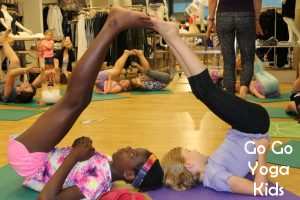

 Spring is here and with that comes the beautiful power of a rainstorm. I love a good rainstorm as it washes away the dirt, and leaves behind beauty, green, and a fresh start.
 Go Go Yoga for Kids: Yoga Lessons for Children